Local · 9 min read · September 28, 2026
Local Landing Pages That Convert: A Step-by-Step Build Guide
City and service-area pages can win rankings and calls, or they can be thin copies that Google ignores. Here is how we build local pages that earn both.

By Ryan Pereyra, Founder & Agency Owner, RPM National

Start with one page per real market
A local landing page should exist because you actually serve that area and people there search for you. Pick the cities, neighborhoods or counties that already send you jobs or that you want to grow into, and build one page for each.
Swapping the city name on a template fifty times creates doorway pages. Google filters them out, and customers can tell they were not written for them.
Lead with the service, the place and the next step
The first screen should answer three questions: what you do, where you do it and how to get started. A headline like "Emergency Plumbing in Mesa, AZ" paired with a tap-to-call button and a short form beats a paragraph about your company history.
Put your phone number in text, not only inside an image, so it is clickable on mobile and readable by search engines.
Add proof that is actually local
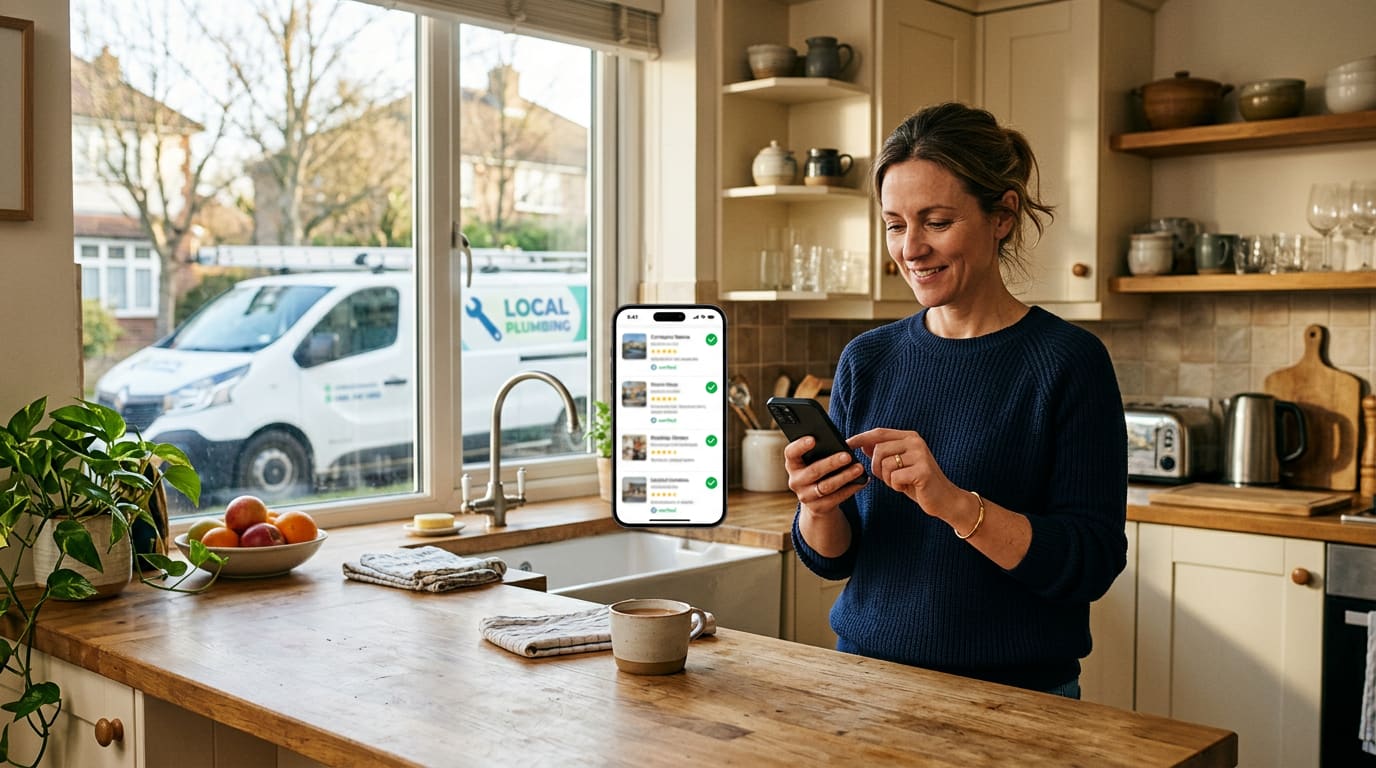
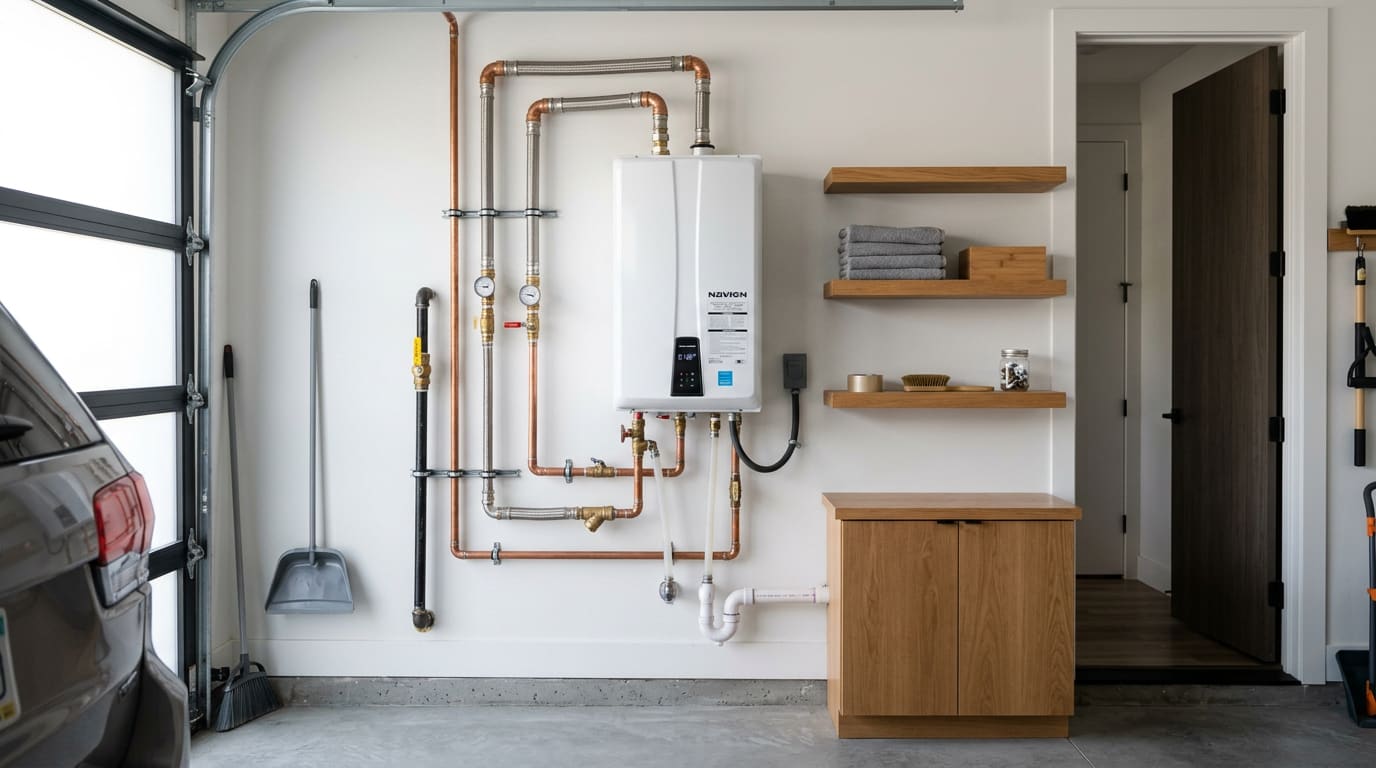
Reviews from customers in that city, photos of jobs in recognizable neighborhoods, local licenses and response times for that area all make a page unique. This is the content a competitor cannot copy.
Ryan Pereyra tells clients to keep a running folder of job photos tagged by city. Six months later, you have enough material to make every page different.
Answer the questions people in that market ask
Pricing varies by region, permit rules vary by city and climate changes what service people need. A short FAQ addressing local concerns adds depth and helps you appear in AI answers and People Also Ask results.
Connect the page to the rest of your site
Link each location page from a locations hub and from relevant service pages, and link back to your core service pages from each location. Add LocalBusiness or Service schema with the area served.
Then measure it. Track calls and form fills per location page so you know which markets deserve more content and ad spend.
Ryan Pereyra’s take
Ryan Pereyra, founder of RPM National, judges a local landing page by one test: could a customer in that city tell within five seconds that you serve them and how to reach you?
Real job photos, a nearby review and a phone number above the fold beat any amount of clever copy. If the page could be about any city just by swapping the name, it is not done yet.