SEO · 8 min read · October 5, 2026
E-E-A-T Explained: How Google Judges Expertise and Trust in Your Business
Experience, expertise, authoritativeness and trust are how Google and AI assistants decide whose advice to show. Here is what each one means for a real business website.
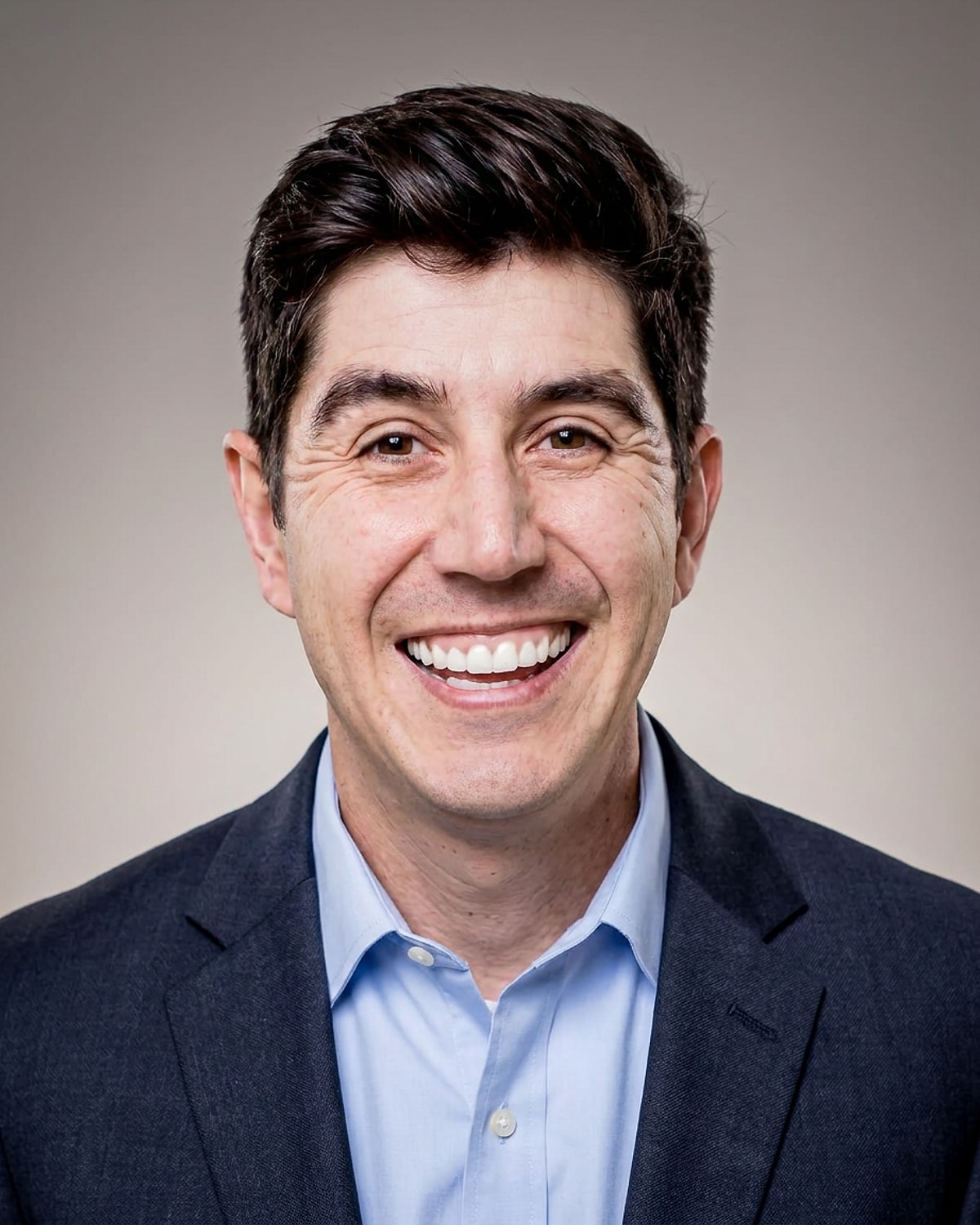
By Ryan Pereyra, Founder & Agency Owner, RPM National

The short answer
E-E-A-T stands for experience, expertise, authoritativeness and trustworthiness. It is not a single ranking factor. It is the set of qualities Google asks its quality raters to look for, and its systems try to reward pages that show them.
For a business, it comes down to proving that real people with real experience stand behind your content and your work.
Experience and expertise: show who did the work
Experience means first-hand involvement: you installed the system, ran the campaign or treated the patient. Expertise means you have the knowledge to explain it correctly. Pages that show photos of actual jobs, name the person who wrote the advice and describe specific situations read very differently from generic filler.
Add author bylines that link to a real bio, list credentials and licenses where they apply, and write from what you have seen in the field.
Authority: what others say about you
Authority is earned outside your website. Reviews, press mentions, links from local organizations and industry associations and consistent citations all tell search engines that other people vouch for you.
You cannot write your way to authority on your own site, which is why digital PR and review generation belong in every SEO plan.
Trust: the foundation under everything
Google calls trust the most important member of the family. A secure site, a clear business address and phone number, honest pricing information, easy-to-find policies and accurate claims all build it. Exaggerated promises and hidden contact details erode it.
Ryan Pereyra’s take
“Every client asks how to get E-E-A-T, like it is a plugin. It is not. It is what happens when you stop hiding the people behind the business. Put your name on your advice, show your work and let customers talk about you. That is the whole strategy.” — Ryan Pereyra, founder of RPM National